Home › Blog › 10 Warning Signs You Should Visit a Dentist Immediately
Oral Health10 Warning Signs You Should Visit a Dentist Immediately
June 20, 2026
10 Dental Warning Signs You Should Never Ignore | Dentalingo Alanya
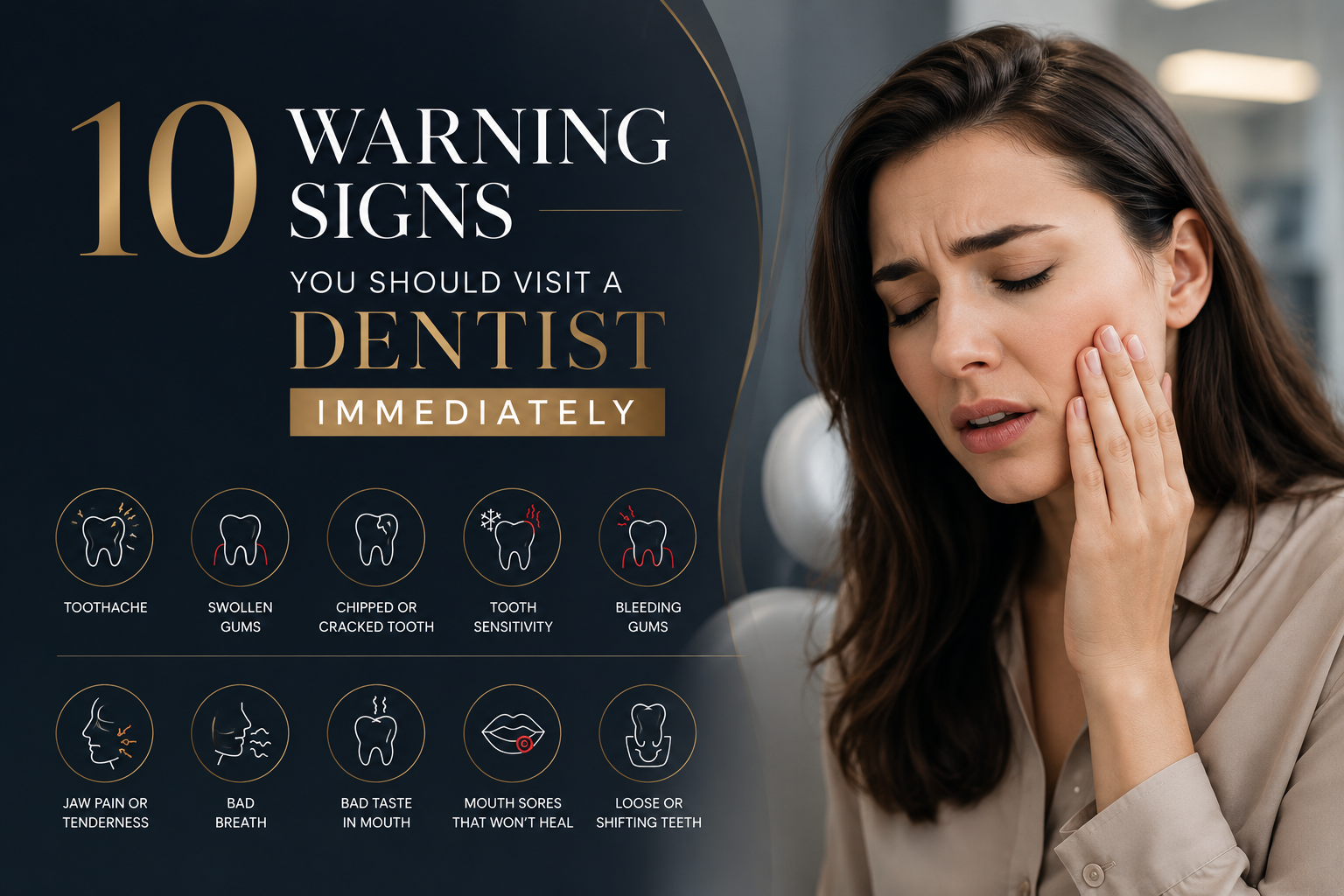
Many dental problems begin with small symptoms that are easy to ignore. Unfortunately, delaying treatment can often lead to more serious complications, increased discomfort, and higher treatment costs. Knowing when to seek professional dental care can help protect your oral health and prevent long-term damage. Here are 10 warning signs that indicate you should visit our clinic in Alanya as soon as possible.
1. Persistent Tooth Pain
A toothache that lasts for more than a day or two should never be ignored. Continuous pain may indicate tooth decay, infection, an abscess, or damage to the tooth structure. Even mild pain can become a serious issue if left untreated.
2. Bleeding Gums
If your gums bleed while brushing or flossing, it may be an early sign of gum disease. Healthy gums should not bleed regularly. Persistent bleeding can indicate gingivitis or periodontitis, both of which require professional treatment.
3. Swollen or Red Gums
Inflamed gums often signal infection or advanced gum disease. Symptoms typically include:
- Redness and tenderness
- Swelling and pain while eating
Early intervention at Dentalingo can prevent tooth loss and bone deterioration.
4. Extreme Tooth Sensitivity
Do you experience sharp pain when consuming hot, cold, sweet, or acidic foods and drinks? Tooth sensitivity may be caused by enamel erosion, gum recession, cavities, or cracked teeth. A professional dental examination can identify the underlying cause and provide instant relief.
5. Loose Teeth
Adult teeth should never feel loose. Loose teeth may result from advanced gum disease, bone loss, dental trauma, or hidden infections. Seeking treatment quickly may help save the affected natural tooth.
6. Bad Breath That Won't Go Away
Occasional bad breath is normal, but persistent halitosis can indicate a deeper dental problem such as gum disease, tooth decay, or bacterial buildup. Professional cleanings and periodontal care can quickly solve this issue.
7. Mouth Sores That Do Not Heal
Most minor mouth ulcers heal within two weeks. If a sore, lesion, or patch remains longer than that, it should be examined by a dentist immediately to rule out infection or more serious conditions.
8. Jaw Pain or Difficulty Chewing
Pain in the jaw, clicking sounds, or difficulty opening and closing your mouth may indicate TMJ disorders, teeth grinding (bruxism), bite problems, or joint inflammation. Early diagnosis prevents worsening symptoms.
9. Facial Swelling
Swelling around the cheeks, jaw, or gums often signals a dangerous dental infection. Dental infections can spread quickly and become serious medical emergencies if left untreated. Immediate professional attention is highly recommended.
10. Cracked, Chipped, or Broken Teeth
Even small cracks can allow bacteria to enter the tooth and cause severe infection. Prompt restoration can preserve the tooth and prevent more extensive procedures later.
Why Early Dental Treatment Matters
Ignoring dental symptoms rarely makes them disappear. Most oral health problems become more severe over time and may eventually require complex treatments such as root canal therapy, periodontal surgery, or extractions. Regular checkups and early intervention at Dentalingo can:
- Save your natural teeth
- Reduce treatment costs and time
- Prevent painful infections
- Improve overall oral and systemic health
- Maintain a healthy and confident smile
Final Thoughts
Your mouth often provides early warning signs when something is wrong. If you experience any of these symptoms while living in or visiting Alanya and Antalya, scheduling a dental appointment promptly can prevent minor issues from becoming major problems. Contact Dentalingo today to protect your smile.