Home › Blog › Toothache: Causes, Symptoms, and Treatment Options
Oral HealthToothache: Causes, Symptoms, and Treatment Options
June 20, 2026

Toothache is one of the most common dental problems affecting people of all ages. It can range from mild discomfort to severe, persistent pain that interferes with daily activities such as eating, drinking, and sleeping. While some toothaches may be temporary, others can indicate serious dental issues that require immediate professional treatment.
Understanding the causes, symptoms, and available treatment options can help prevent complications and maintain optimal oral health.
What Is a Toothache?
A toothache refers to pain or discomfort in or around a tooth. The pain may be constant or intermittent and can vary in intensity. Toothaches often occur when the sensitive inner layers of a tooth become irritated due to infection, decay, injury, or gum disease.
Ignoring tooth pain can allow underlying dental problems to worsen over time, potentially leading to tooth loss or more extensive treatment requirements.
Common Causes of Toothache
1. Tooth Decay (Cavities)
Tooth decay is one of the leading causes of tooth pain. When bacteria in the mouth produce acids that erode tooth enamel, cavities develop. As decay progresses deeper into the tooth, pain and sensitivity become more noticeable.
2. Dental Abscess
A dental abscess is a bacterial infection that forms a pocket of pus inside the tooth or gums. This condition can cause severe throbbing pain, swelling, fever, and sensitivity to pressure.
3. Gum Disease
Gingivitis and periodontitis can cause gum inflammation, tenderness, and tooth pain. Advanced gum disease may also result in loose teeth and bone loss.
4. Cracked or Broken Teeth
A cracked tooth may expose sensitive inner tissues, causing sharp pain when chewing or consuming hot and cold foods.
5. Tooth Sensitivity
Worn enamel, gum recession, or exposed tooth roots can lead to increased sensitivity and discomfort when eating or drinking.
6. Impacted Wisdom Teeth
Wisdom teeth that do not erupt properly can cause pain, swelling, jaw discomfort, and infection.
7. Teeth Grinding (Bruxism)
Grinding or clenching teeth, especially during sleep, can place excessive pressure on teeth and jaw joints, leading to pain and sensitivity.
Symptoms of a Toothache
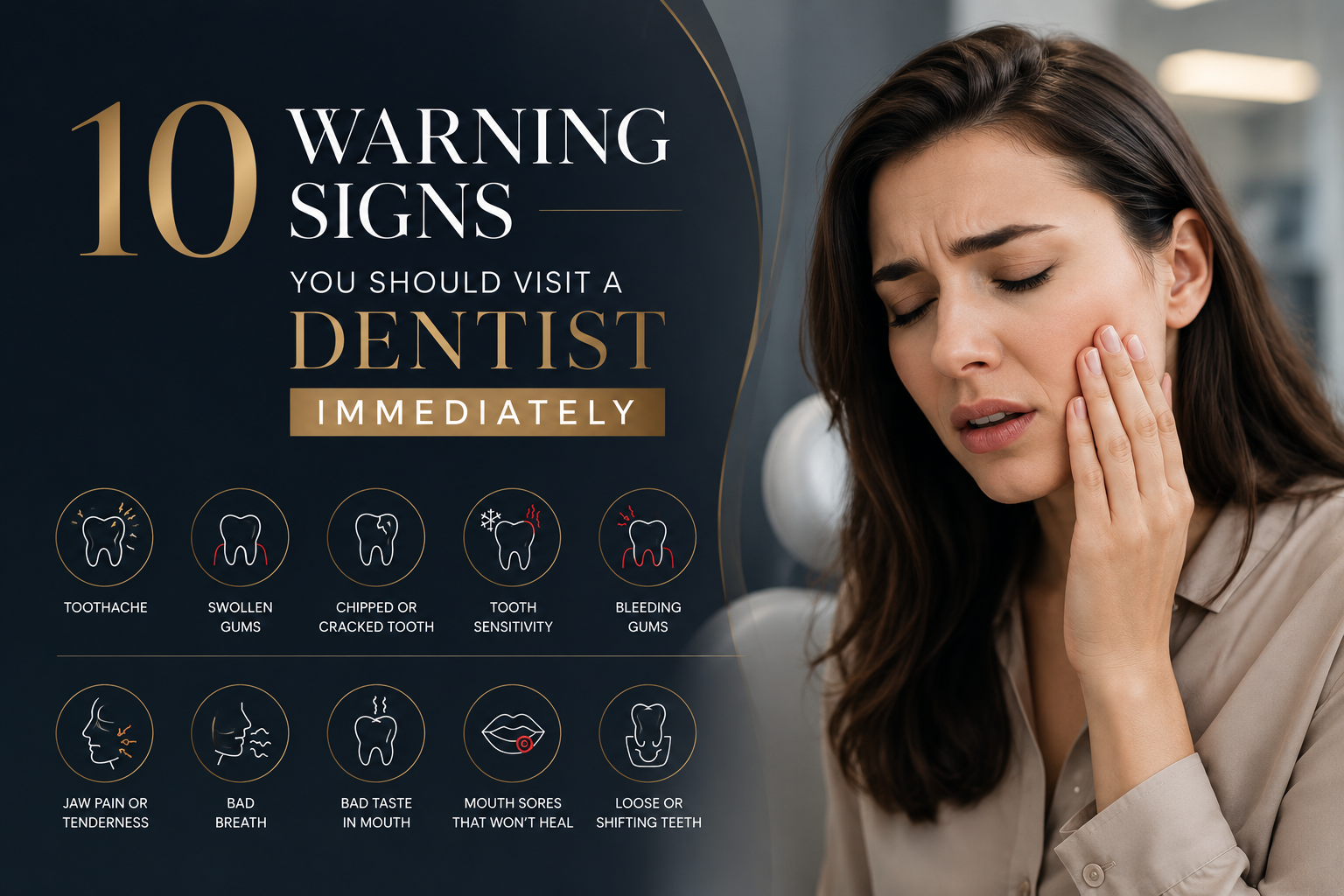
The symptoms of a toothache can vary depending on the underlying cause. Common signs include:
Sharp, throbbing, or constant tooth pain
Sensitivity to hot, cold, or sweet foods
Pain when biting or chewing
Swollen gums around the affected tooth
Bad taste or unpleasant odor in the mouth
Facial swelling
Headaches or jaw pain
Fever in cases of infection
If you experience severe pain, swelling, or fever, seek dental care immediately.
Treatment Options for Toothache
Dental Fillings
If tooth decay is detected early, a dental filling can restore the damaged area and eliminate pain.
Root Canal Treatment
When infection reaches the tooth pulp, root canal therapy removes infected tissue and saves the natural tooth.
Dental Crown
A crown may be recommended for severely damaged or weakened teeth to restore strength and function.
Tooth Extraction
In cases where a tooth cannot be saved, extraction may be necessary to prevent infection from spreading.
Gum Disease Treatment
Professional deep cleaning, scaling, and root planing can help treat gum infections and reduce discomfort.
Wisdom Tooth Removal
Impacted wisdom teeth are often removed to prevent pain, crowding, and future complications.
How to Prevent Toothaches
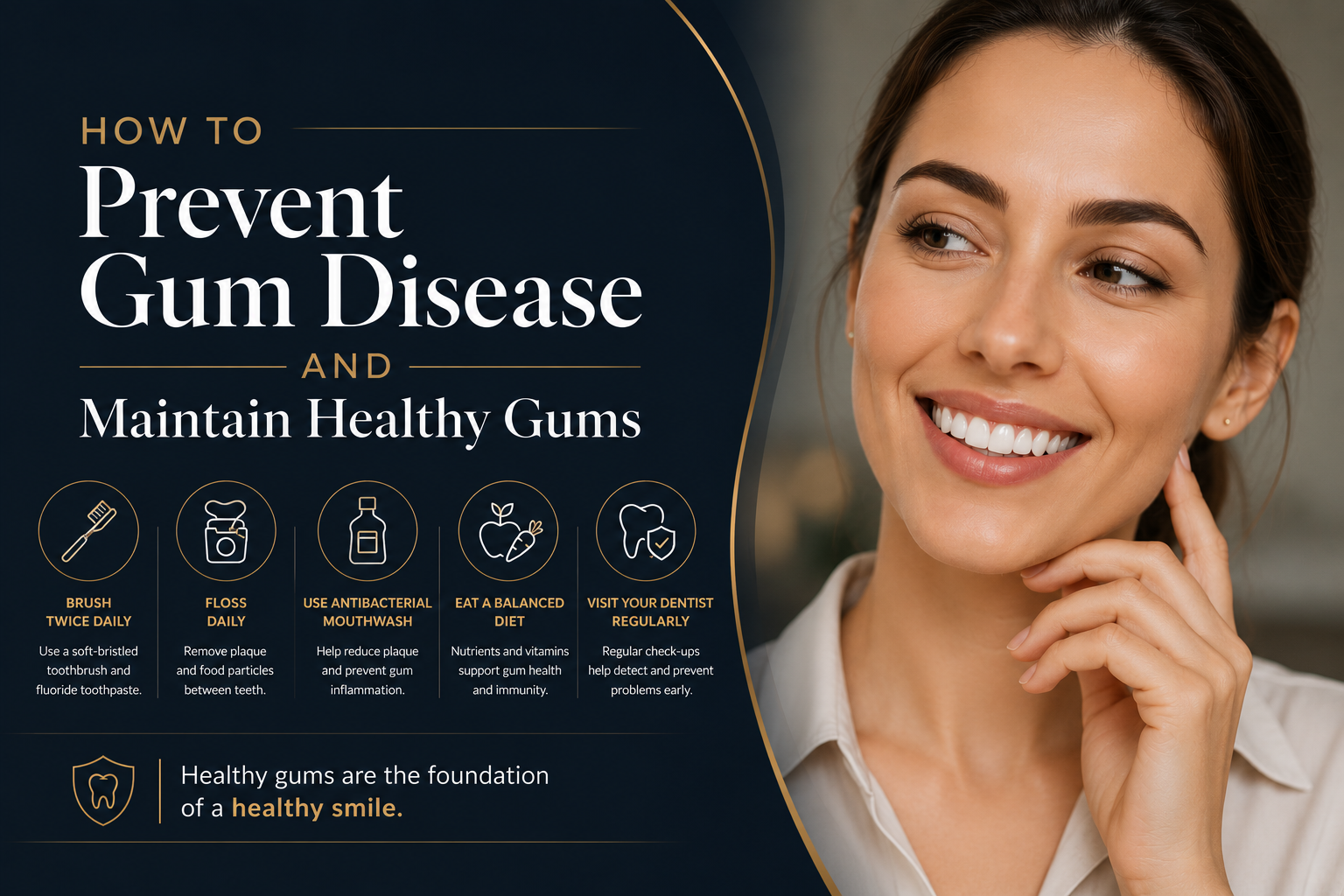
Many toothaches can be prevented through proper oral hygiene and regular dental care:
Brush your teeth twice daily with fluoride toothpaste
Floss every day
Limit sugary foods and drinks
Visit your dentist regularly for checkups and cleanings
Wear a mouthguard if you grind your teeth
Address dental issues early before they become severe
When Should You See a Dentist?
You should schedule a dental appointment if:
Tooth pain lasts longer than one or two days
Pain is severe or worsening
You notice swelling or bleeding gums
You have difficulty chewing
You experience fever or facial swelling
Early diagnosis and treatment can help prevent more serious dental complications and preserve your natural teeth.
Conclusion
A toothache is often a warning sign that something is wrong with your oral health. Whether caused by cavities, infection, gum disease, or injury, prompt treatment is essential for preventing further damage and relieving pain. Regular dental checkups, good oral hygiene habits, and timely professional care are the best ways to maintain a healthy, pain-free smile.