Home › Blog › What Causes Tooth Decay? Common Reasons and Prevention Tips
Oral HealthWhat Causes Tooth Decay? Common Reasons and Prevention Tips
June 20, 2026
Tooth decay is one of the most common dental problems worldwide, affecting people of all ages. While it may begin as a small issue, untreated tooth decay can lead to pain, infection, tooth loss, and expensive dental treatments. Understanding the causes of tooth decay and learning how to prevent it can help you maintain a healthy smile for life.
What Is Tooth Decay?
Tooth decay, also known as dental caries or cavities, occurs when the hard surface of a tooth is damaged by acids produced by bacteria in the mouth. These acids gradually break down the enamel, creating small holes or cavities. If left untreated, decay can spread deeper into the tooth, affecting the dentin and even the pulp where nerves and blood vessels are located.
Common Causes of Tooth Decay
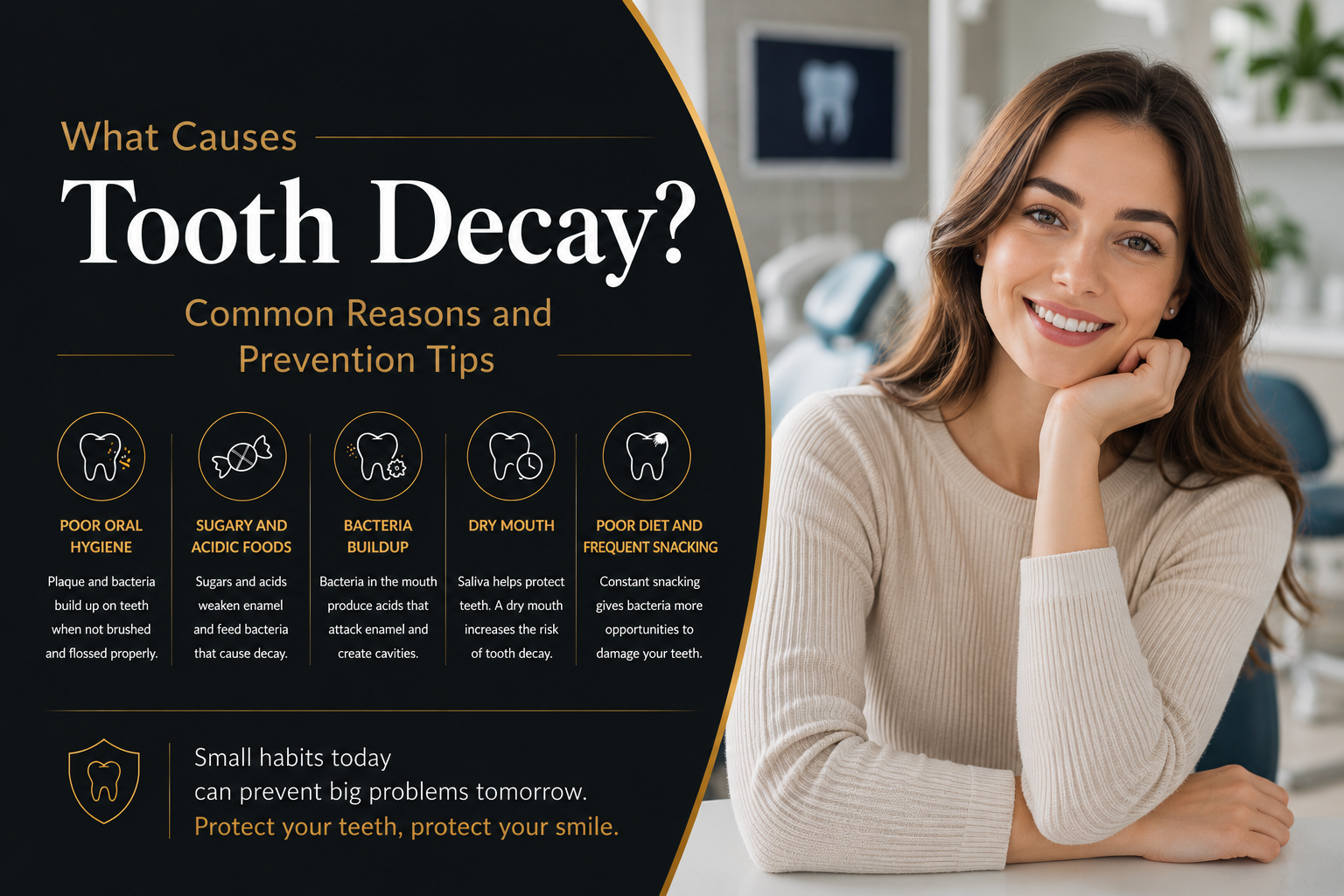
1. Poor Oral Hygiene
One of the leading causes of tooth decay is inadequate brushing and flossing. When plaque is not removed regularly, bacteria accumulate on the teeth and produce acids that weaken enamel.
2. Excessive Sugar Consumption
Sugary foods and beverages provide fuel for harmful bacteria in the mouth. Soft drinks, candies, cakes, cookies, and sweet snacks increase acid production, accelerating enamel erosion.
3. Frequent Snacking
Constant snacking throughout the day exposes teeth to repeated acid attacks. Each time you eat, bacteria produce acids that can damage tooth enamel for up to 30 minutes.
4. Dry Mouth
Saliva helps neutralize acids and wash away food particles. Reduced saliva production, known as dry mouth, increases the risk of tooth decay because the mouth cannot naturally protect itself as effectively.
5. Poor Diet
A lack of essential vitamins and minerals can weaken teeth and gums. Diets low in calcium, phosphorus, and vitamin D may increase susceptibility to dental problems.
6. Acidic Foods and Drinks
Frequent consumption of acidic beverages such as soda, energy drinks, sports drinks, and citrus juices can wear down enamel, making teeth more vulnerable to decay.
7. Lack of Regular Dental Checkups
Skipping routine dental examinations allows minor cavities to progress unnoticed. Regular dental visits help identify and treat decay before it becomes a serious problem.
Warning Signs of Tooth Decay
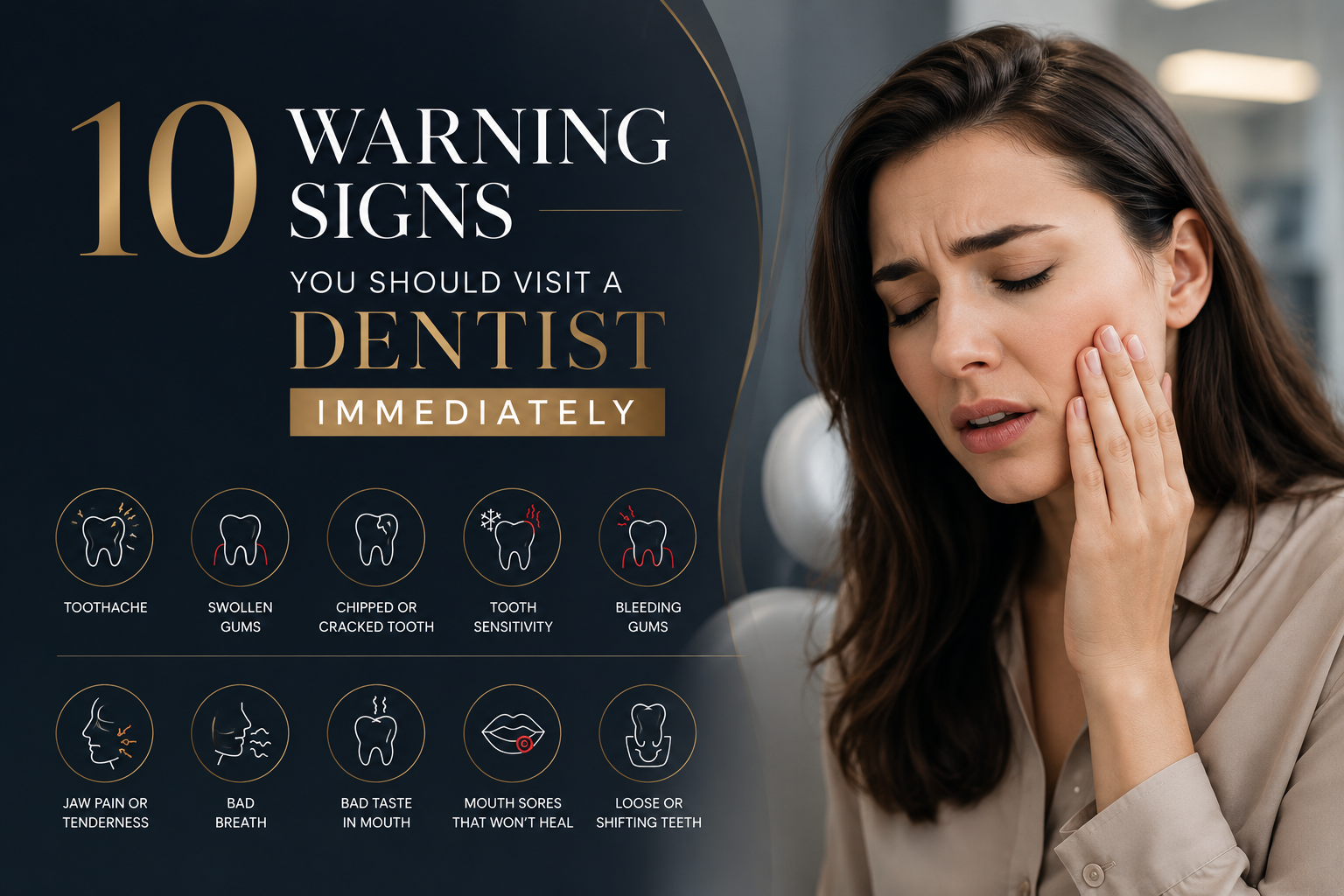
Early detection can prevent more extensive treatment. Common symptoms include:
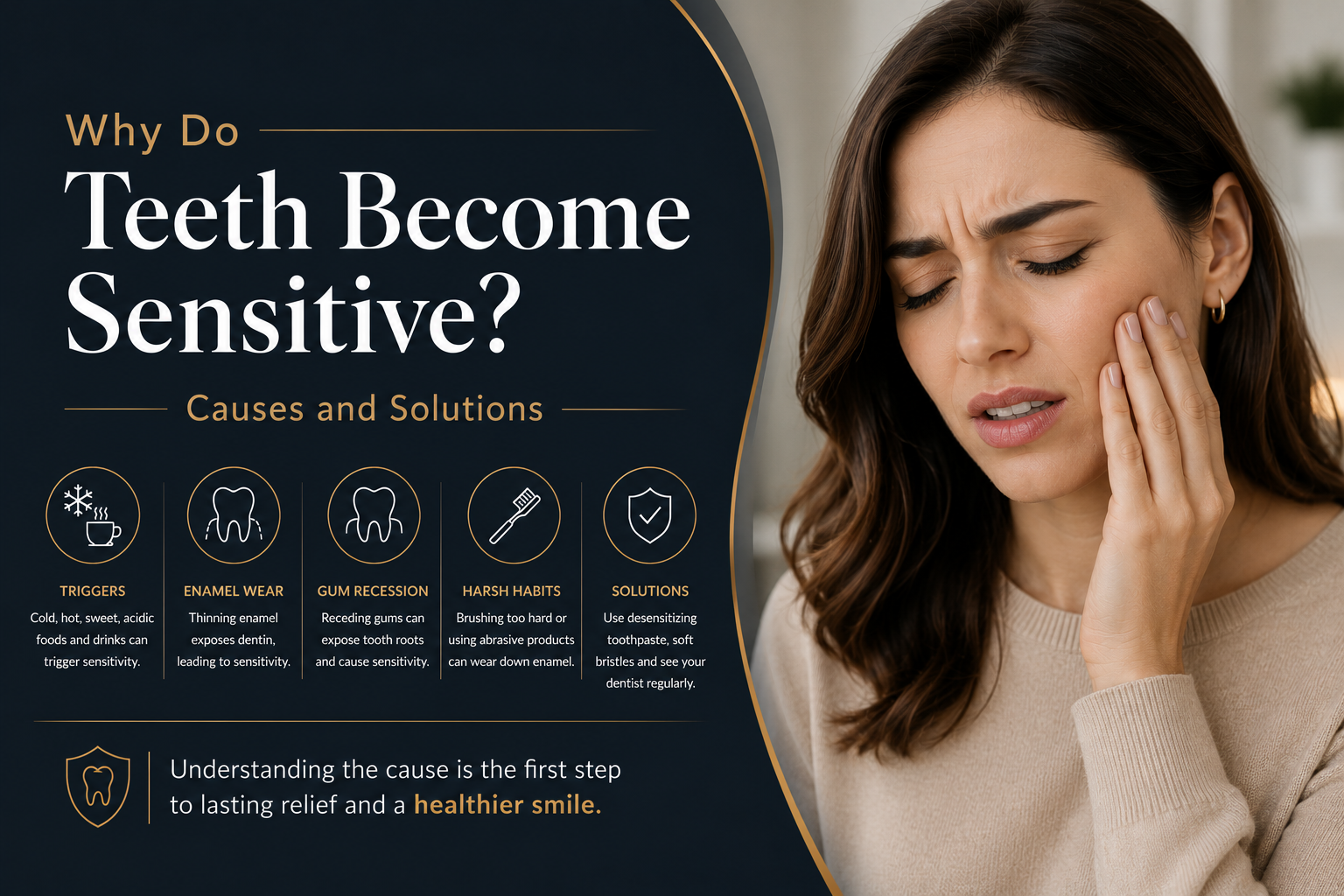
Tooth sensitivity to hot, cold, or sweet foods
Toothache or discomfort
Visible holes or pits in teeth
Dark spots or staining
Bad breath
Pain when chewing
If you experience any of these symptoms, it is important to visit a dentist as soon as possible.
How to Prevent Tooth Decay
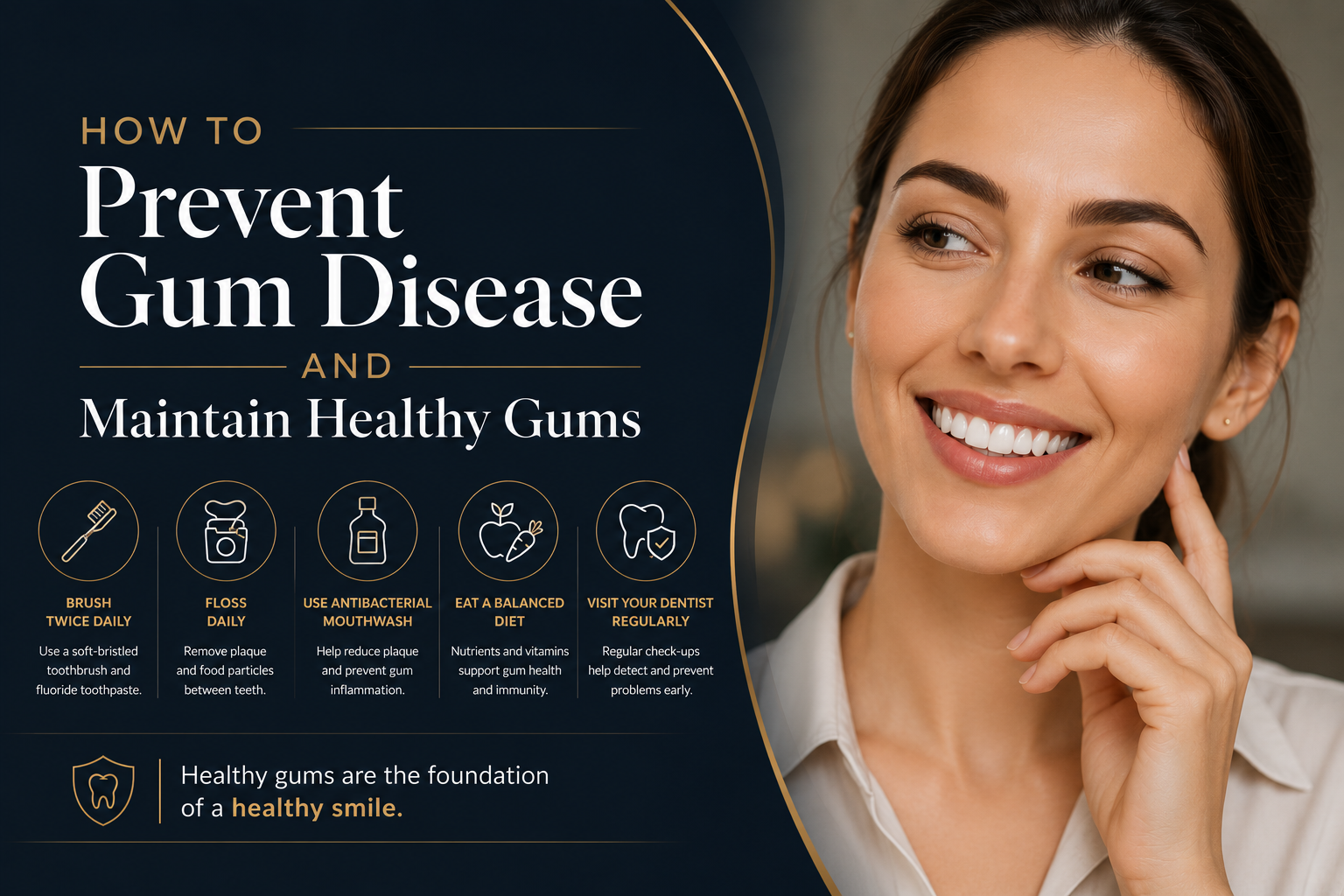
Brush Properly Twice Daily
Use a fluoride toothpaste and brush your teeth for at least two minutes, twice a day.
Floss Every Day
Flossing removes plaque and food particles from between teeth where toothbrushes cannot reach.
Limit Sugary Foods and Drinks
Reducing sugar intake significantly lowers the risk of cavities and enamel damage.
Drink Plenty of Water
Water helps rinse away bacteria and food debris while supporting healthy saliva production.
Choose Tooth-Friendly Foods
Include foods rich in calcium and phosphorus, such as dairy products, nuts, leafy greens, and fish.
Visit Your Dentist Regularly
Professional cleanings and routine checkups help detect early signs of decay and keep your teeth healthy.
Consider Preventive Treatments
Fluoride applications and dental sealants can provide additional protection against cavities, especially for children and individuals at higher risk.
When Should You Seek Treatment?
If tooth decay is caught early, treatment may be as simple as a dental filling. More advanced cases may require root canal treatment, crowns, or tooth extraction. Prompt treatment helps preserve your natural teeth and prevents complications.
Final Thoughts
Tooth decay is largely preventable with proper oral hygiene, a balanced diet, and regular dental care. By understanding the common causes of cavities and taking preventive measures, you can protect your smile and maintain strong, healthy teeth for years to come.
If you are experiencing symptoms of tooth decay or would like a professional dental examination, schedule an appointment with your dentist to ensure your oral health remains in excellent condition.