Home › Blog › Early Symptoms of Gum Disease You Should Never Ignore
Oral HealthEarly Symptoms of Gum Disease You Should Never Ignore
June 20, 2026
Gum disease is one of the most common oral health problems worldwide, yet many people do not realize they have it until it becomes severe. The condition often develops slowly and painlessly, making it easy to overlook the warning signs. However, early detection and treatment can prevent serious complications, including tooth loss and bone deterioration.
Understanding the early symptoms of gum disease can help you protect your smile and maintain excellent oral health.
What Is Gum Disease?
Gum disease, also known as periodontal disease, is an infection of the tissues that support and surround the teeth. It is usually caused by plaque buildup along the gumline. If plaque is not removed through proper brushing and flossing, bacteria can irritate the gums, leading to inflammation and infection.
The earliest stage of gum disease is called gingivitis. At this stage, the condition is reversible with professional dental care and improved oral hygiene. If left untreated, it can progress into periodontitis, a more serious condition that may result in permanent damage.
Early Symptoms of Gum Disease
1. Bleeding Gums
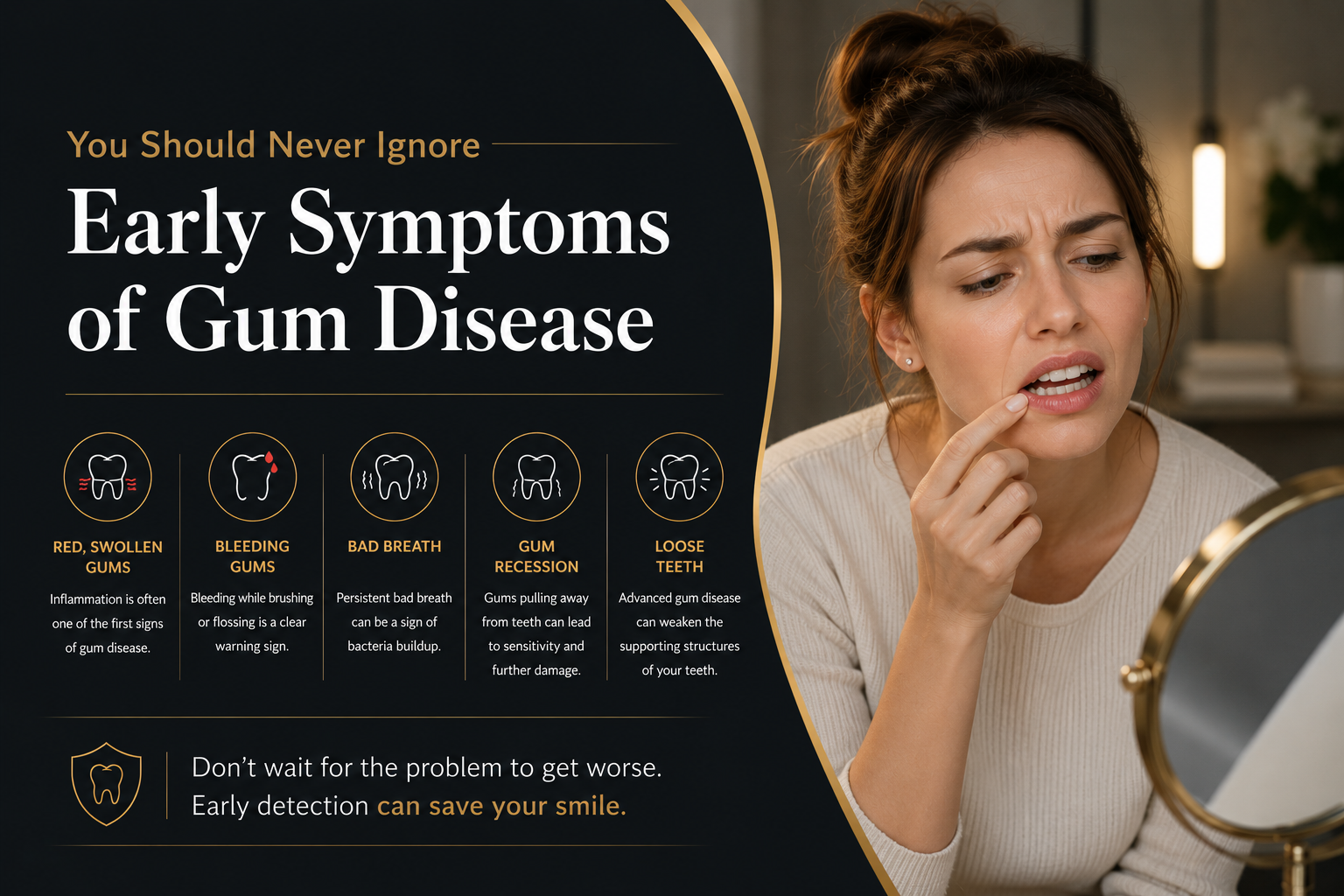
One of the first and most common signs of gum disease is bleeding during brushing or flossing. Healthy gums should not bleed regularly. If you notice blood when cleaning your teeth, it may indicate inflammation caused by bacterial buildup.
2. Red or Swollen Gums
Healthy gums are typically firm and pink. Gums that appear red, swollen, or puffy may be responding to an infection. Persistent inflammation should never be ignored.
3. Bad Breath That Won’t Go Away
Chronic bad breath, also known as halitosis, can be an early sign of gum disease. Bacteria trapped below the gumline release toxins that create unpleasant odors and affect oral health.
4. Tender or Sensitive Gums
If your gums feel sore, sensitive, or uncomfortable when eating or brushing, it may indicate irritation and inflammation associated with the early stages of periodontal disease.
5. Receding Gums
Gum recession occurs when the gum tissue begins pulling away from the teeth, exposing more of the tooth surface or root. Teeth may appear longer than usual, which can be an early warning sign of gum disease.
6. Increased Tooth Sensitivity
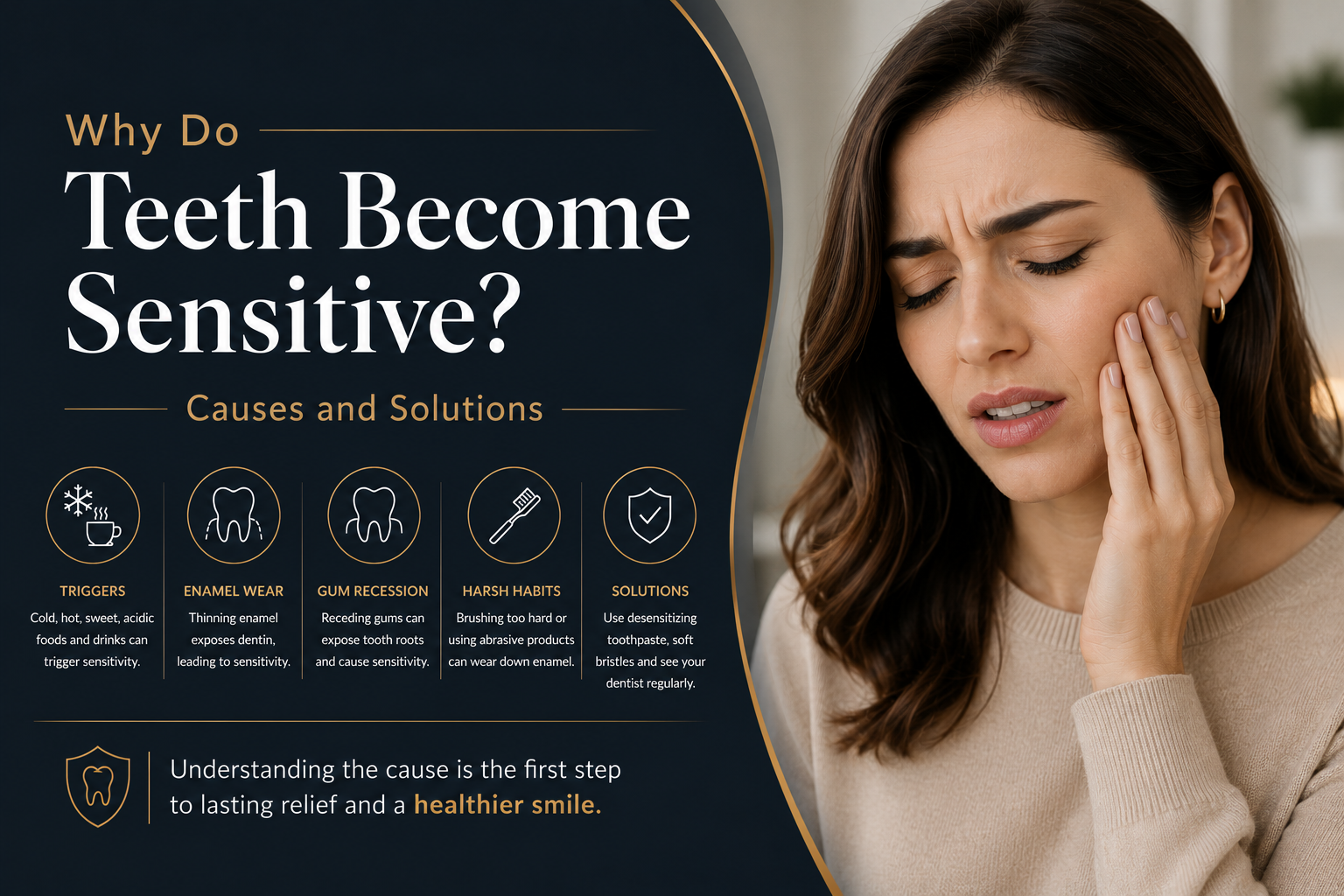
As gums recede and tooth roots become exposed, sensitivity to hot, cold, sweet, or acidic foods may increase. This symptom often develops gradually and should be evaluated by a dental professional.
7. Plaque and Tartar Buildup
Excessive plaque accumulation along the gumline can harden into tartar, creating an ideal environment for harmful bacteria. Visible tartar deposits often indicate a higher risk of developing gum disease.
What Causes Gum Disease?
Several factors can increase the risk of gum disease, including:
Poor oral hygiene
Smoking and tobacco use
Diabetes
Hormonal changes
Genetic predisposition
Stress
Certain medications
Poor nutrition
Understanding these risk factors can help you take proactive steps to protect your oral health.
Why Early Treatment Matters
Many people assume bleeding gums are normal, but untreated gum disease can progress rapidly. As the infection advances, it can damage the gums, periodontal ligaments, and jawbone that support the teeth.
Advanced gum disease may lead to:
Loose teeth
Gum recession
Bone loss
Persistent infection
Tooth loss
More complex and costly dental treatments
Early intervention significantly improves treatment outcomes and helps preserve natural teeth.
How to Prevent Gum Disease
Maintain Excellent Oral Hygiene
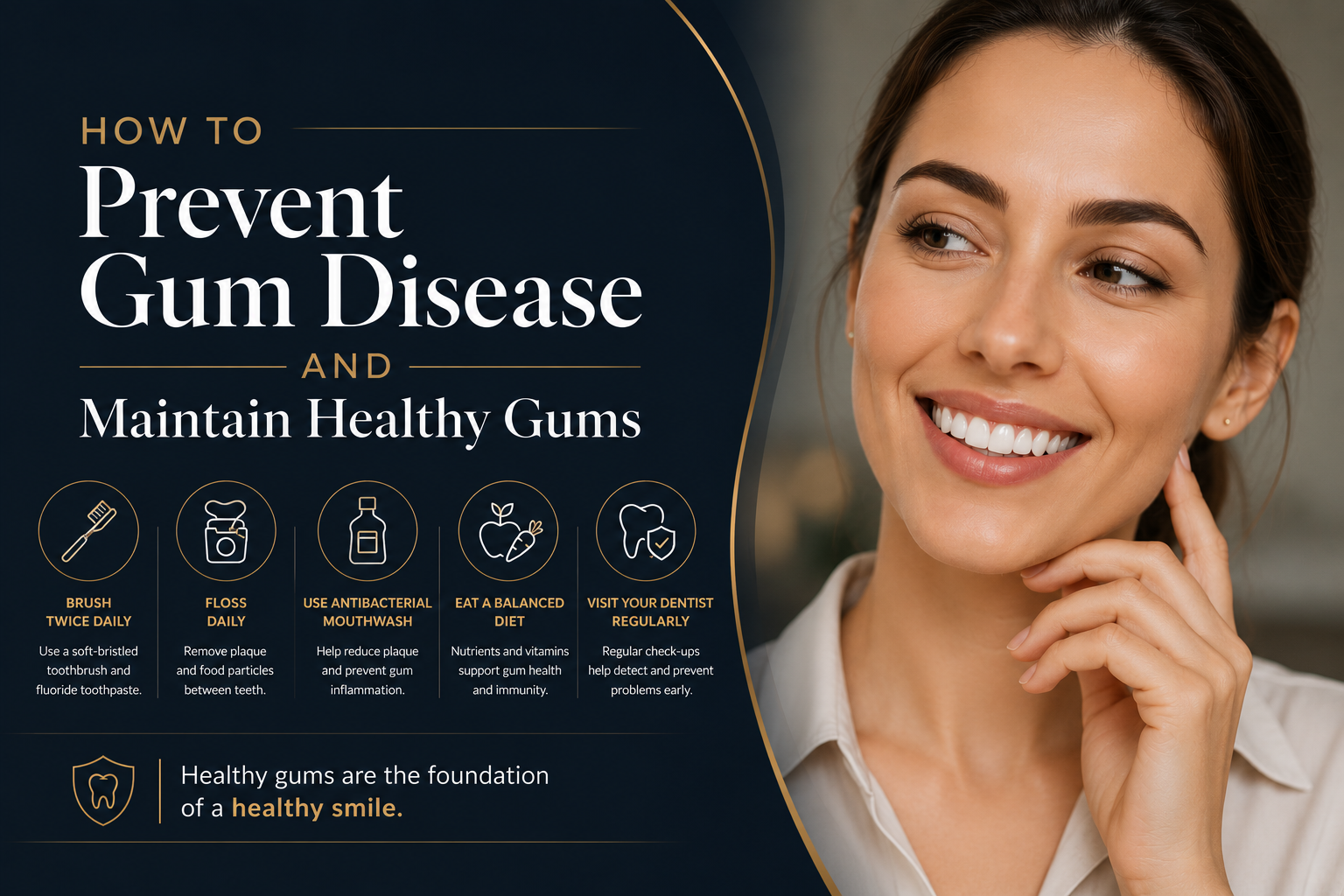
Brush your teeth twice daily using fluoride toothpaste and floss every day to remove plaque from hard-to-reach areas.
Schedule Regular Dental Checkups
Professional dental cleanings help remove plaque and tartar buildup before they cause significant damage.
Stop Smoking
Smoking is one of the strongest risk factors for periodontal disease and can make treatment less effective.
Eat a Healthy Diet
A balanced diet rich in vitamins and minerals supports healthy gums and strengthens the immune system.
Use Antibacterial Mouthwash
An antimicrobial mouthwash can help reduce harmful bacteria and support gum health.
When Should You See a Dentist?
If you notice bleeding gums, swelling, bad breath, gum recession, or increased tooth sensitivity, schedule a dental examination as soon as possible. Early diagnosis allows dentists to treat gum disease before permanent damage occurs.
Final Thoughts
Gum disease often begins with subtle symptoms that many people overlook. Bleeding gums, bad breath, swelling, and gum recession are not normal and should never be ignored. By recognizing the early warning signs and seeking professional dental care promptly, you can protect your teeth, gums, and overall oral health.
A healthy smile starts with healthy gums. Regular dental visits and proper oral hygiene remain the best defense against periodontal disease.